A Databank is a repository of information on one or more subjects, organized in a way that facilitates local or remote information retrieval, able to processes a large number of continual queries over a long period of time.
Imagine your brain as a databank storing information from past experiences coupled with an operating system tasked with keeping us alive!
The operating system constantly scans the environment, cross-checking it with the contents of the databank to ensure that it is safe. What was that sound? Where are my keys? and Should I eat this plant?
The information stored in our databank is used by our operating system, processing and incorporating events as they unfold whilst making future predictions. This marriage is formed to carry out the vital task of self preservation, constantly seeking to ensure and reassure us “It’s all going to be ok” or to provide us with a step by step guide to handling challenges.
Self-preservation is #1, hence, the operating system will seek to confirm and affirm the information held by its partner. It goes about building cases which support this information, presenting them to us in various forms, at all costs. Whilst analysing our environment, the operating system will link data to generate meaning from our surroundings and experiences. Words which seem to “jump off the page”; an obvious example, however a process not limited to any particular pathway; smell, taste, people, dreams etc. all capable of evoking the operating system to match data with experience and make meaning.
#1 priority = self-preservation:
One dark night, sat in our cave by a fire, we hear the sound of rustling leaves and get up to investigate. Coming outside the cave entrance, we pear into the dark floeage, carefully listening for any further developments. We hear the “Snap!” of a twig underfoot and go on alert, tensing our muscles and heightening our senses in preparation for action. Crouched low to the jungle floor, a tiger stalks us. As we search the blackness it draws silently nearer. Exploding from the darkness, its outstretched claws and bared teeth are illuminated by the light from our cave. We flinch, cowering to avoid the tiger’s attack, anc what would have been fatal; misses us by a whisker. It disappears into the undergrowth, hissing loudly, and we run towards the cave. A couple of strides away, the tiger is on us and swiping at us, its savage claws tear deep into our back. We scream, arching up, and fall through the cave entrance, rolling across the floor. We writhe on the floor, looking around to see the blazing eyes of the tiger enter the cave. It had hesitated. It would have easily killed us in a matter of seconds; the fire must have temporarily thrown it. We scrabble backwards in agony, putting the fire between us and the cautiously advancing tiger, now fully inside our cave. We put our hands to a flaming branch and brandish it at the tiger, which hisses, swatting at the air and furiously looking for ways to tackle its prey. Ignoring the searing pain, we advance with the flaming branch and thrust at the tiger. It swats at it and hits the glowing embers, sparks flying into the air it yowls angrily and looks slightly uncertain. Capitalising on the tiger’s hesitance, we charge! Bellowing and brandishing our fire, we hit out at the tiger, making solid contact with its head, singing the fur on its cheek and burning its ear. The tiger whips round and flees the cave, disappearing into the night, roaring and howling.
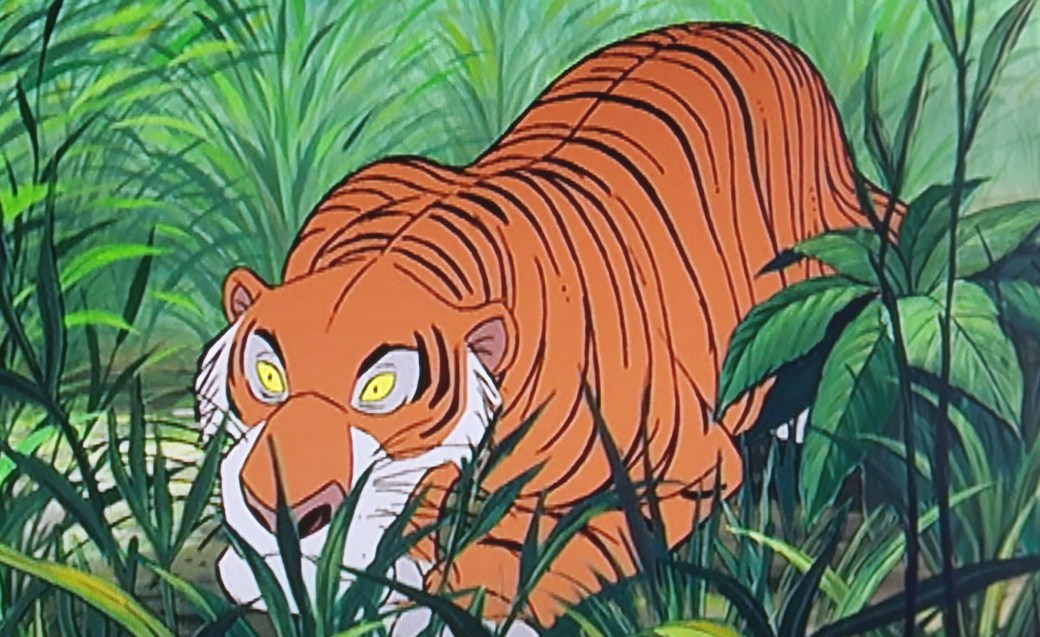
A familiar story and I have used an extreme yet clear example, to highlight the role and repercussions of a mechanism which has ensured my writing and your reading – we are both still here!
Life threatening experiences must not be repeated at all costs and the operating system makes sure that we don’t put ourselves in that type of danger again. Hence, long after the scars have faded, the databank still contains the events of that night and the operating system will make every case to ensure we never put priority #1 in jeopardy again!
We return to the jungle cave many years later; sat by the same fire, in the same cave, in the same jungle and yet nothing could be more different!
At the first signs of nightfall; a sense of urgency to return to our cave starts to take hold. As we make our way back through the dimming light, there is a sense of unease in us; an anxiety putting us on edge. We churn over thoughts in our mind as we carry wood to the cave. Shoulders hunched, head forward and ears pricked; we move with a certain hesitancy when compared to our previously assertive movements and the slightest rustle causes us to start looking around anxiously; a small creature returning to its burrow.
It’s almost dark as we reach the cave and we are almost rushing to get inside, as if chased by a phantom predator. We put the wood down and hurriedly set to lighting a fire in the hath, thoughts churning and eyes scanning the jungle outside the cave as we strike the flints together frantically. A spark takes hold and we put the fire between us and the cave entrance, not leaving until it is light once more; it has been ages since we saw the stars.
Now despite having fended off a tiger in the dark, using fire to scald it and no doubt having instilled a fear of man in it, we live in fear. We never leave the cave at night, loose valuable hunting hours because of it and have become anxious and small, as if a tiger were behind every bush.
In a more modern day application – Having been vulnerable in a relationship and been hurt; we avoid being vulnerable and open, fearing intimacy and closing ourselves off in relationships, if not avoiding them altogether. The slightest whiff of intimacy and Defcon 4 is engaged; this is a survival situation now.
The databank, logged that we got hurt when we were vulerable and that intimacy was to be feared and avoided in the same way that we do not touch fire or we found ourselves never leaving our cave after dark, for fear of attack. The operating system often deems the threat to be so severe that it will actually see to it that we act out predictions made from the databank. This sort of “controlled demolition” is commonly known as “self-sabotage”, where we act out our fears and destructive beliefs “on our own terms”. This is part of a healthy survival mechanism, though severely distressing for so many of us who crave intimacy and connection with others yet find ourselves held captive to watching the same events unfold in our relationships, leaving us confused and alone. The longing for connection is matched with a primal drive to reproduce, which sees that we put ourselves through the trauma of re-enacting the horrors of our past over and over.
The operating system “safely demolishes our dreams” and drives home its case for why intimacy is to be feared, with an “I told you so”.
I think we get the point, though it is so hard to see so many shrink back into their caves, never to “get back on the horse”.
God there is hope! I look forward to writing about how we leave our caves; take up into the night and wonder at the beauty of a life free from fear. Where we not only survive, we thrive!
 The Mentalman's Journal